As cloud adoption matures, one challenge continues to frustrate businesses of all sizes: rising and unpredictable cloud spending. While the cloud promises flexibility and efficiency, many organizations discover that without the right strategy, costs quickly spiral out of control. In 2026, cloud cost optimization is no longer about cutting expenses—it is about designing sustainable, value-driven cloud operations.
This article explores what actually works for businesses when it comes to cloud cost optimization and why many traditional approaches fail to deliver lasting results. Fast Tract IT Services – FZCO supports organizations in building intelligent cloud cost strategies, ensuring financial control, operational efficiency, and long-term business value.
Why Cloud Cost Optimization Is Still Difficult
The Pay-As-You-Go Paradox
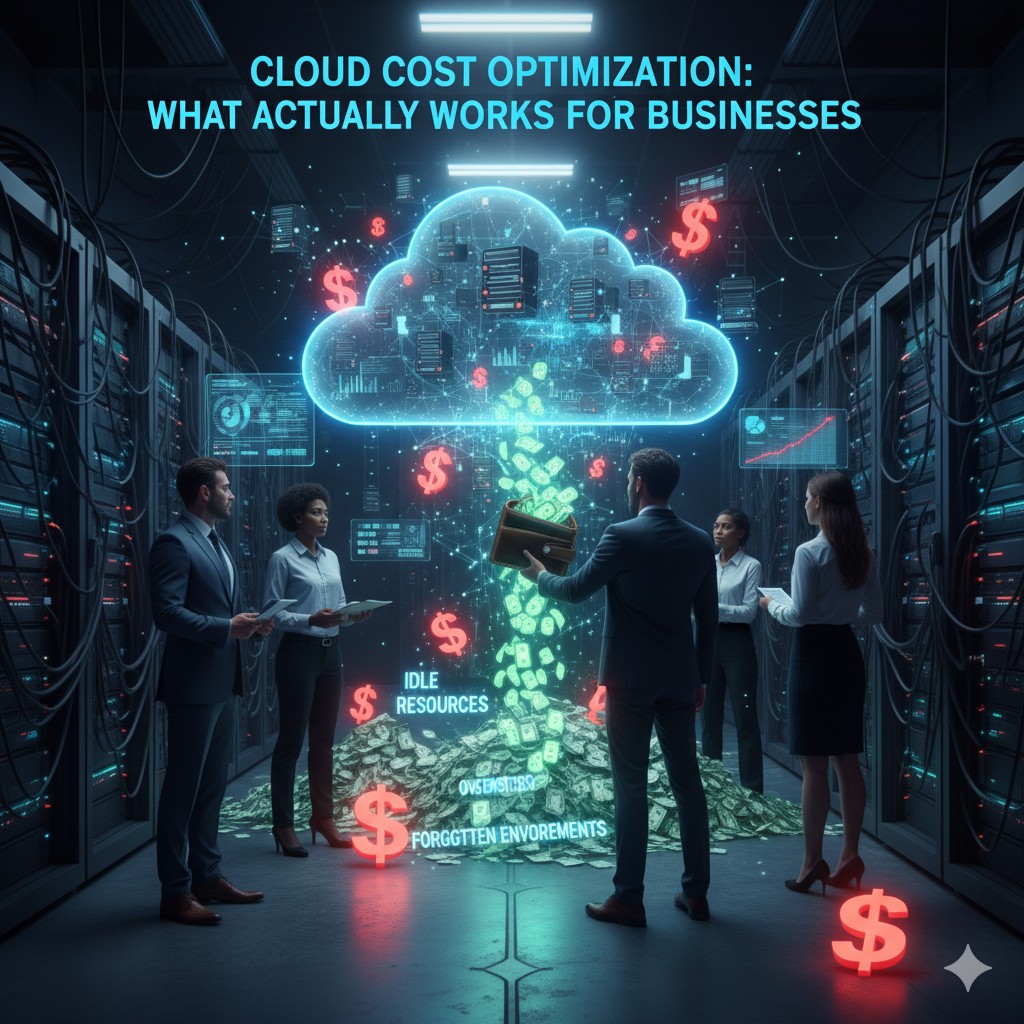
Cloud pricing models are designed to be flexible, but that flexibility often leads to waste. Businesses pay only for what they use—yet they frequently use more than they realize. Idle resources, oversized instances, and forgotten environments silently increase monthly bills.
Cloud cost optimization requires visibility and discipline, not just better pricing plans.
Complexity Across Multi-Cloud Environments
By 2026, most enterprises operate across hybrid and multi-cloud environments. While this improves resilience and flexibility, it also makes cloud cost optimization more complex. Different providers, pricing models, and billing tools make it difficult to gain a unified view of spending within modern cloud infrastructure in 2026 environments.
What Actually Works in Cloud Cost Optimization
Cost Visibility as the Foundation
The first step in effective cloud cost optimization is real-time cost visibility. Businesses that succeed invest in tools and processes that provide:
- Detailed cost breakdowns by service, team, and application
- Real-time alerts for unexpected spending spikes
- Clear accountability for cloud usage
Without transparency, optimization efforts are reactive and short-lived.

Right-Sizing Resources Continuously
One-time audits are not enough. Workloads change constantly, and so should resource allocation. Continuous right-sizing—adjusting compute, storage, and database resources to actual usage—is one of the most effective cloud cost optimization practices.
Automation plays a key role here, ensuring resources scale up and down based on demand without manual intervention.
Designing Architecture for Cost Efficiency
Cloud-Native and Serverless Approaches
Cloud cost optimization works best when architecture is designed with efficiency in mind. Cloud-native and serverless architectures reduce costs by:
- Eliminating idle infrastructure
- Scaling automatically with usage
- Shifting costs from fixed to variable
Businesses that rely heavily on always-on infrastructure struggle to optimize costs over time.

Storage and Data Lifecycle Management
Storage is a major contributor to cloud costs. Effective cloud cost optimization includes intelligent data lifecycle policies, such as:
- Automatically moving infrequently accessed data to lower-cost tiers
- Deleting redundant or outdated data
- Optimizing backup and retention strategies
Small improvements in data management often lead to significant savings.
FinOps: Turning Cloud Cost Optimization into a Process
Aligning Finance, IT, and Business Teams
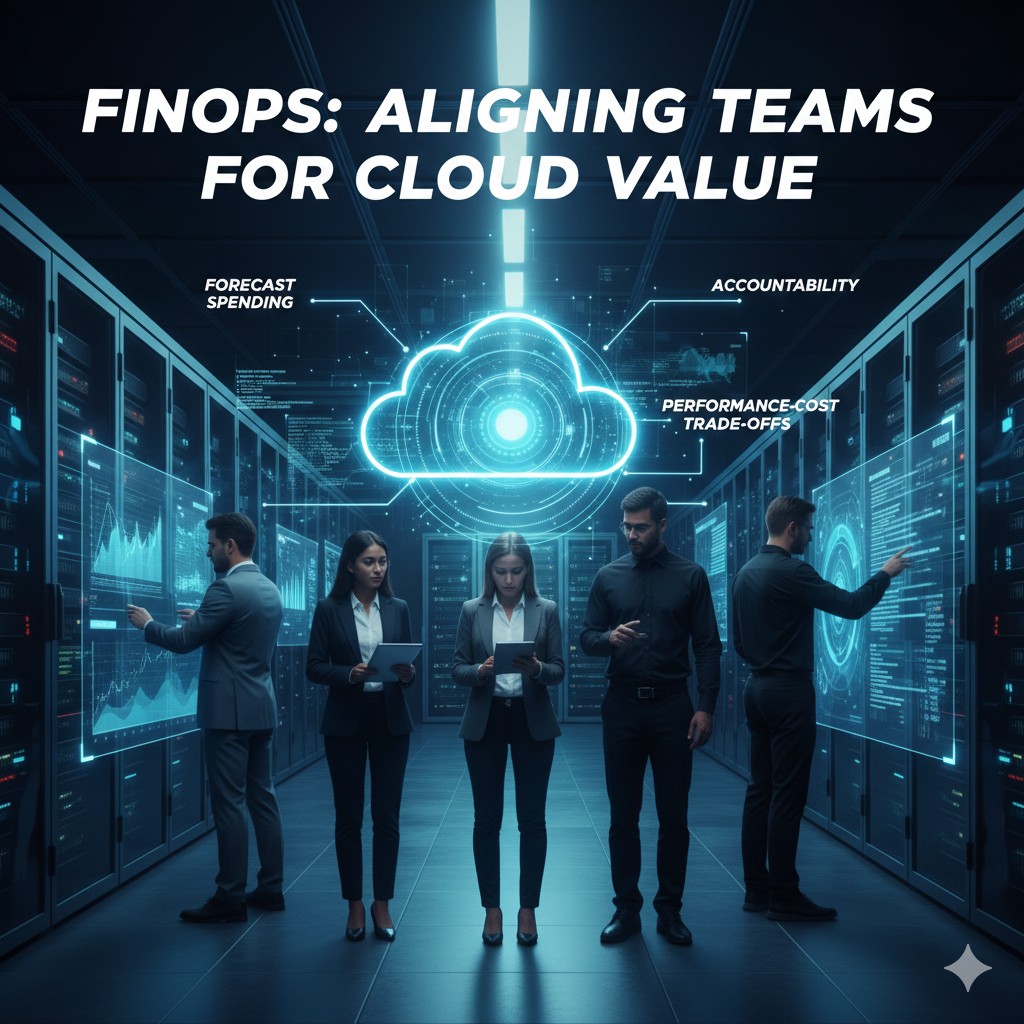
What actually works in cloud cost optimization is FinOps—a cultural and operational shift that brings finance, engineering, and business teams together. Instead of treating cloud costs as an IT issue, FinOps aligns spending with business value.
This collaboration helps organizations:
- Forecast cloud spending more accurately
- Make informed trade-offs between performance and cost
- Hold teams accountable for their usage
Measuring Value, Not Just Savings
Successful cloud cost optimization focuses on value optimization, not just cost reduction. The goal is to ensure every dollar spent supports performance, reliability, or business growth. Cutting costs at the expense of user experience or resilience often backfires.
Automation and AI in Cloud Cost Optimization
Predictive Cost Management
In 2026, AI-driven tools play a growing role in cloud cost optimization. These tools analyze usage patterns to:
- Predict future spending
- Recommend architectural changes
- Identify anomalies before costs escalate
Predictive insights allow businesses to act proactively rather than react to monthly billing surprises.
Automated Governance and Policies
Automation ensures cloud cost optimization rules are enforced consistently, especially when aligned with disciplined DevOps best practices for enterprises. Policies can automatically:
- Shut down unused resources
- Enforce tagging standards
- Prevent deployment of oversized services
This reduces human error and ensures optimization practices scale with the organization.
Common Cloud Cost Optimization Myths
“Lower Costs Come from Cheaper Providers”
Switching providers rarely solves cost problems. Poor architecture and inefficient usage will generate high costs on any platform. Cloud cost optimization is about how resources are used, not just where they are hosted.
“Optimization Is a One-Time Project”
Cloud cost optimization is an ongoing process. Businesses that treat it as a one-off initiative quickly lose control as environments evolve and new workloads are deployed.
Building a Sustainable Cloud Cost Optimization Strategy
To achieve long-term success, businesses should:
- Embed cost awareness into cloud architecture decisions
- Adopt FinOps as a continuous practice
- Leverage automation and AI-driven insights
- Balance cost efficiency with performance and reliability
Cloud cost optimization works best when it is proactive, data-driven, and aligned with business objectives.
Final Thoughts
In 2026, cloud cost optimization is no longer about chasing short-term savings—it is about building financially sustainable cloud operations. Businesses that focus on visibility, architecture efficiency, FinOps collaboration, and intelligent automation see consistent results over time.
What actually works in cloud cost optimization is not a single tool or tactic, but a disciplined approach that evolves alongside the cloud itself.