
In 2026, cloud infrastructure is no longer just a backend technology choice—it has become the foundation of digital competitiveness. Enterprises across industries are redesigning how they build, scale, and secure systems to stay resilient in an AI-driven, data-intensive world. At the forefront of this transformation, Fast Tract IT Services – FZCO supports organizations in adopting modern cloud infrastructure strategies that are agile, secure, and future-ready.
This article explores what modern cloud infrastructure looks like in 2026, the technologies shaping it, and why businesses must evolve beyond traditional cloud models to remain relevant.
The Evolution of Cloud Infrastructure
From Centralized Clouds to Distributed Architectures
Earlier cloud infrastructure models focused heavily on centralized public clouds. In 2026, this approach has shifted toward distributed cloud architectures, where workloads are deployed across public clouds, private clouds, edge locations, and on-premise systems.
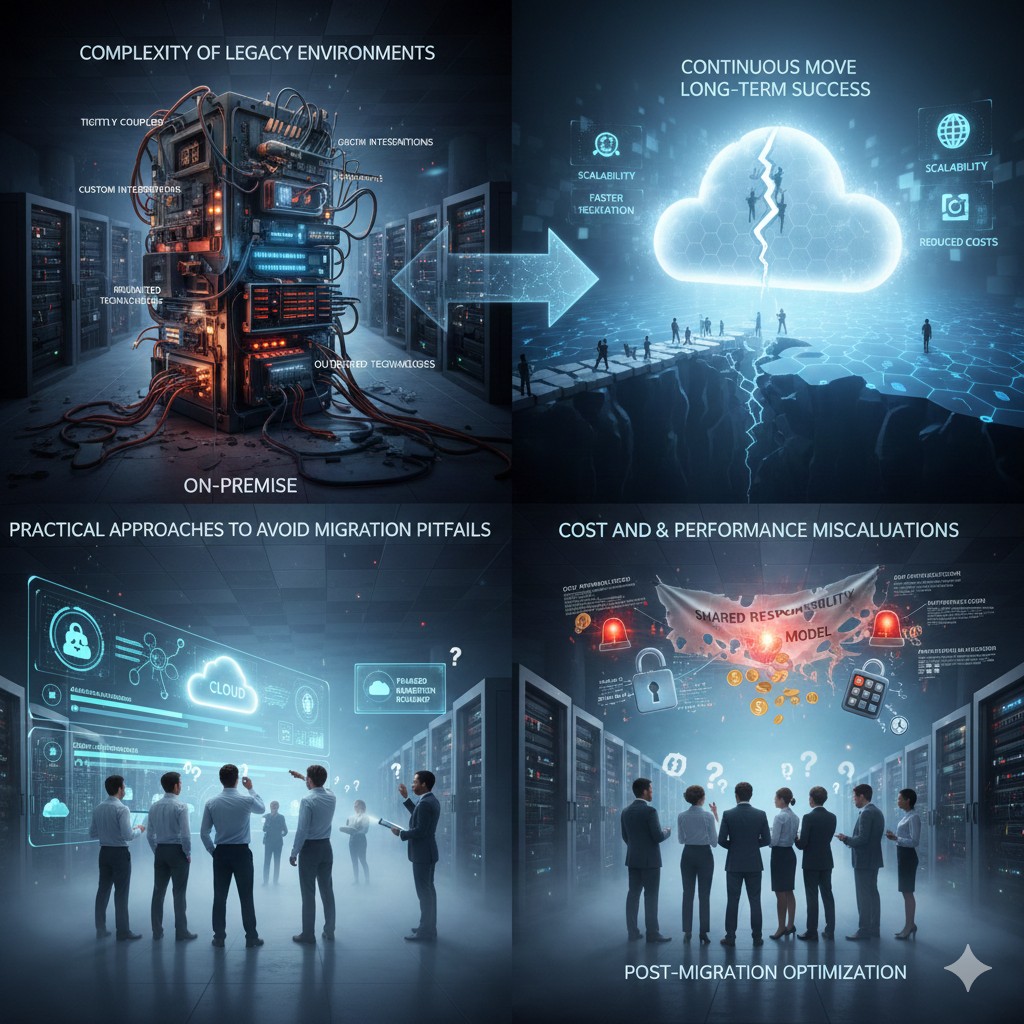
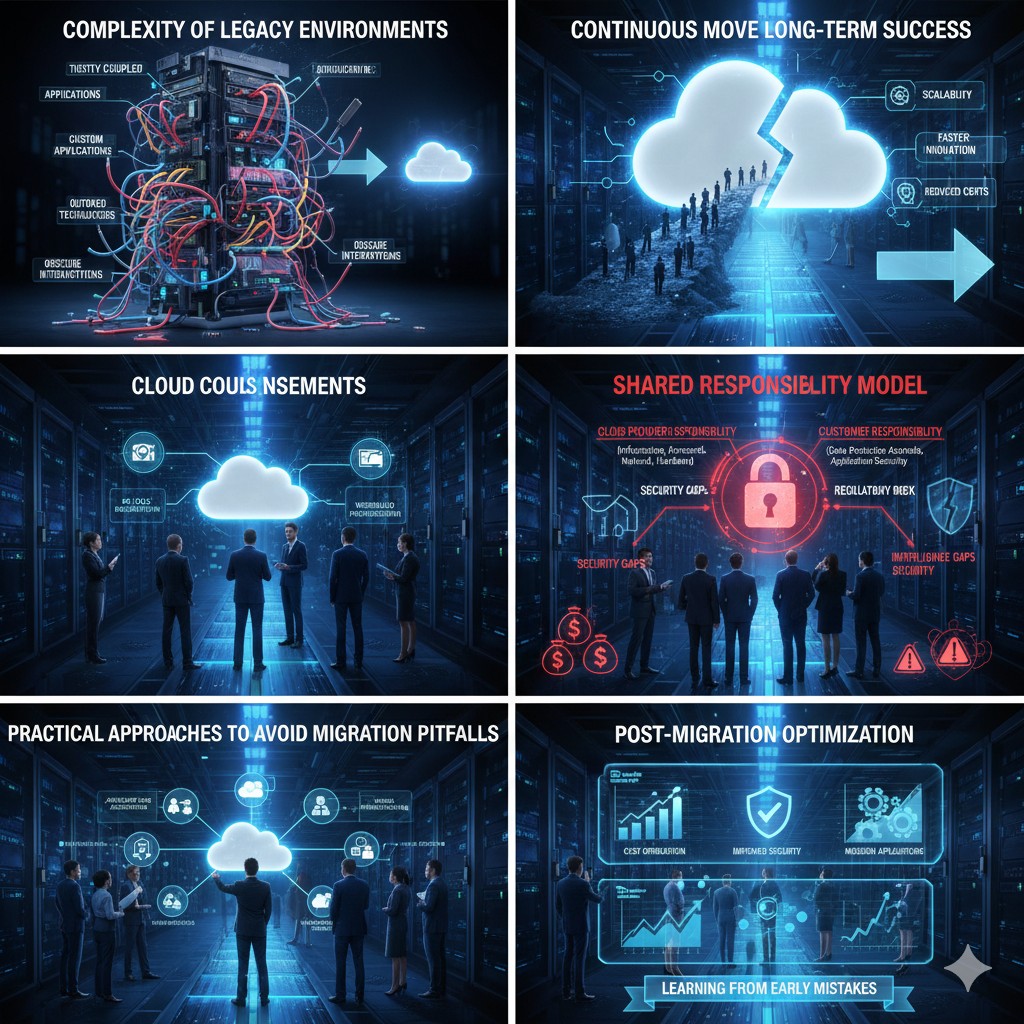
This evolution allows organizations to avoid common cloud architecture mistakes that still affect enterprises transitioning to distributed environments, such as:
- Reduce latency for real-time applications
- Meet regional compliance requirements
- Improve system resilience and availability
Modern cloud infrastructure is now designed around where data and workloads perform best, not where the cloud provider is located.
Cloud Infrastructure as a Strategic Asset
Cloud infrastructure is no longer just an IT cost center. It has become a strategic business enabler, supporting faster product launches, global expansion, and data-driven decision-making. Companies that treat cloud infrastructure as a long-term capability outperform those that see it as basic hosting.
Core Components of Modern Cloud Infrastructure in 2026
Hybrid and Multi-Cloud by Default
In 2026, hybrid and multi-cloud strategies are the standard. Organizations rarely depend on a single cloud provider. Instead, they combine:
- Public cloud platforms for scalability
- Private clouds for sensitive workloads
- On-premise or edge environments for performance-critical operations
This flexibility reduces vendor lock-in and allows businesses to optimize costs and performance across environments.
Cloud-Native Technologies Power Everything
Modern cloud infrastructure is built on cloud-native principles, including:
- Containers and Kubernetes
- Microservices architectures
- Serverless computing
These technologies enable faster development cycles, automatic scaling, and improved system reliability. Cloud-native infrastructure also makes applications easier to update, test, and deploy continuously.
Security and Compliance in Cloud Infrastructure
Zero Trust as the New Security Model
Security in cloud infrastructure has evolved significantly by 2026. Traditional perimeter-based security is no longer effective. Instead, organizations adopt Zero Trust architectures, where:
- Every user and device is continuously verified
- Access is granted based on identity and context
- Security policies are enforced at every layer
Zero Trust is now embedded directly into modern cloud infrastructure rather than added as an afterthought.

Compliance Built into Infrastructure Design
Regulatory requirements around data privacy and sovereignty continue to grow. Modern cloud infrastructure integrates compliance controls directly into system architecture, ensuring:
- Data residency rules are enforced automatically
- Audit trails are continuously maintained
- Compliance reporting is real-time rather than manual
AI-Driven Cloud Infrastructure Operations
Intelligent Automation and Self-Healing Systems
In 2026, cloud infrastructure management relies heavily on AI and machine learning. These technologies enable:
- Predictive scaling based on usage patterns
- Automated performance optimization
- Self-healing systems that resolve issues without human intervention
This reduces downtime and allows IT teams to focus on innovation instead of maintenance.
FinOps and Cost Optimization
With increasing cloud complexity, FinOps practices are deeply integrated into cloud infrastructure. AI-driven analytics help organizations:
- Track cloud spending in real time
- Identify unused or inefficient resources
- Align infrastructure costs with business outcomes
Cost optimization is no longer reactive—it is continuous and automated, especially when supported by proven cloud cost optimization strategies tailored to enterprise environments.
Edge Computing and the Expansion of Cloud Infrastructure
Cloud Infrastructure Beyond the Data Center
Edge computing has become a critical extension of cloud infrastructure in 2026. By processing data closer to users and devices, businesses can support:
- IoT ecosystems
- Autonomous systems
- Real-time analytics and AI inference
Modern cloud infrastructure seamlessly connects central cloud platforms with edge locations, creating a unified operating model.
Supporting Real-Time Digital Experiences
From smart cities to immersive digital experiences, edge-enabled cloud infrastructure ensures low latency, high availability, and consistent performance—requirements that traditional cloud-only models cannot meet.

Why Modern Cloud Infrastructure Matters in 2026
Organizations that fail to modernize their cloud infrastructure risk falling behind competitors who can move faster, scale smarter, and innovate continuously. Modern cloud infrastructure provides:
- Agility in uncertain markets
- Resilience against disruptions
- A secure foundation for AI and data-driven growth
It is no longer about adopting cloud—it is about optimizing and evolving cloud infrastructure as a living system.
Conclusion
As we move deeper into 2026, modern cloud infrastructure represents a convergence of flexibility, intelligence, security, and performance. Hybrid and multi-cloud architectures, cloud-native technologies, AI-driven operations, and edge computing together define the new standard for digital success.
With deep expertise in designing and managing next-generation cloud infrastructure, Fast Tract IT Services – FZCO helps organizations navigate this complexity and build cloud environments that are not only scalable today but resilient for the future. Investing in modern cloud infrastructure is no longer optional—it is the foundation of sustainable digital growth.